Peptides
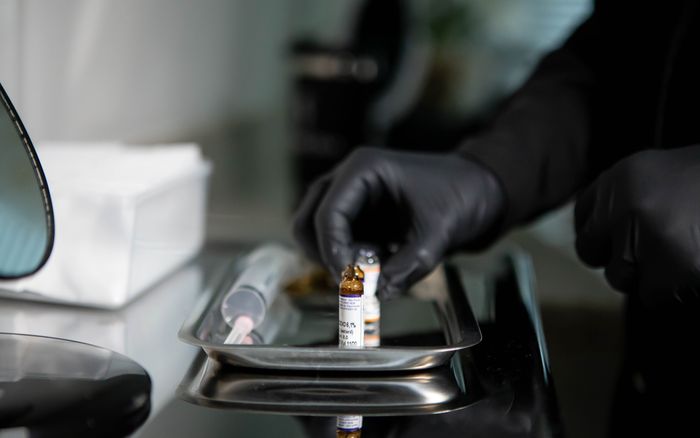
Peptides, From First Principles
The chemistry is settled and genuinely elegant. The marketplace built on top of it is where the evidence stops being uniform — and the word "peptide" does a lot of work hiding that.
Adrian spent eleven years as a data analyst before turning the same scepticism on his own supplement cabinet. He writes most of what appears here and throws out about half of it before publication.
The chemistry is settled and genuinely elegant. The marketplace built on top of it is where the evidence stops being uniform — and the word "peptide" does a lot of work hiding that.
Ice baths have collected an extraordinary set of claims over the last decade. A few of them hold up. One of them is the opposite of what most people believe.
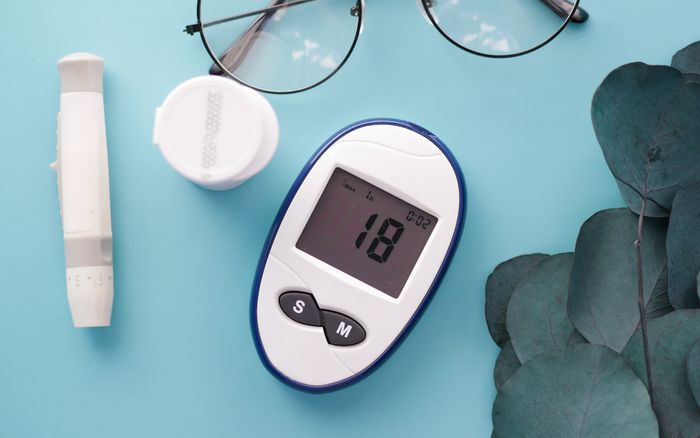
Ninety days wearing a sensor designed for a disease I do not have. I learned three genuinely useful things and spent about six weeks drawing conclusions from noise.
Most nootropic combinations are folklore with a supplement facts panel attached. This one has repeatedly beaten placebo in controlled trials, and the effect is smaller than the internet claims.
The most-cited longevity finding in the wellness world comes from one observational cohort in eastern Finland. It is good data. It is also being asked to prove more than observational data can.
The mouse data were spectacular. Then the randomised human trials arrived, and the picture became considerably more mundane.
Of all the sleep variables you can control, ambient temperature is the cheapest, the best understood, and the one most people have set wrong.
A supplement cabinet audit. Nine compounds went in, three came out the other side, and the reasons for each removal were different.
Eight glasses a day, thirst means you are already dehydrated, and the colour chart on the bathroom wall. Three claims, varying amounts of truth.
Strip away the branding and there is a specific, measurable, well-characterised physiological effect at roughly six breaths per minute.