Cold Exposure: What Survives Scrutiny
Ice baths have collected an extraordinary set of claims over the last decade. A few of them hold up. One of them is the opposite of what most people believe.
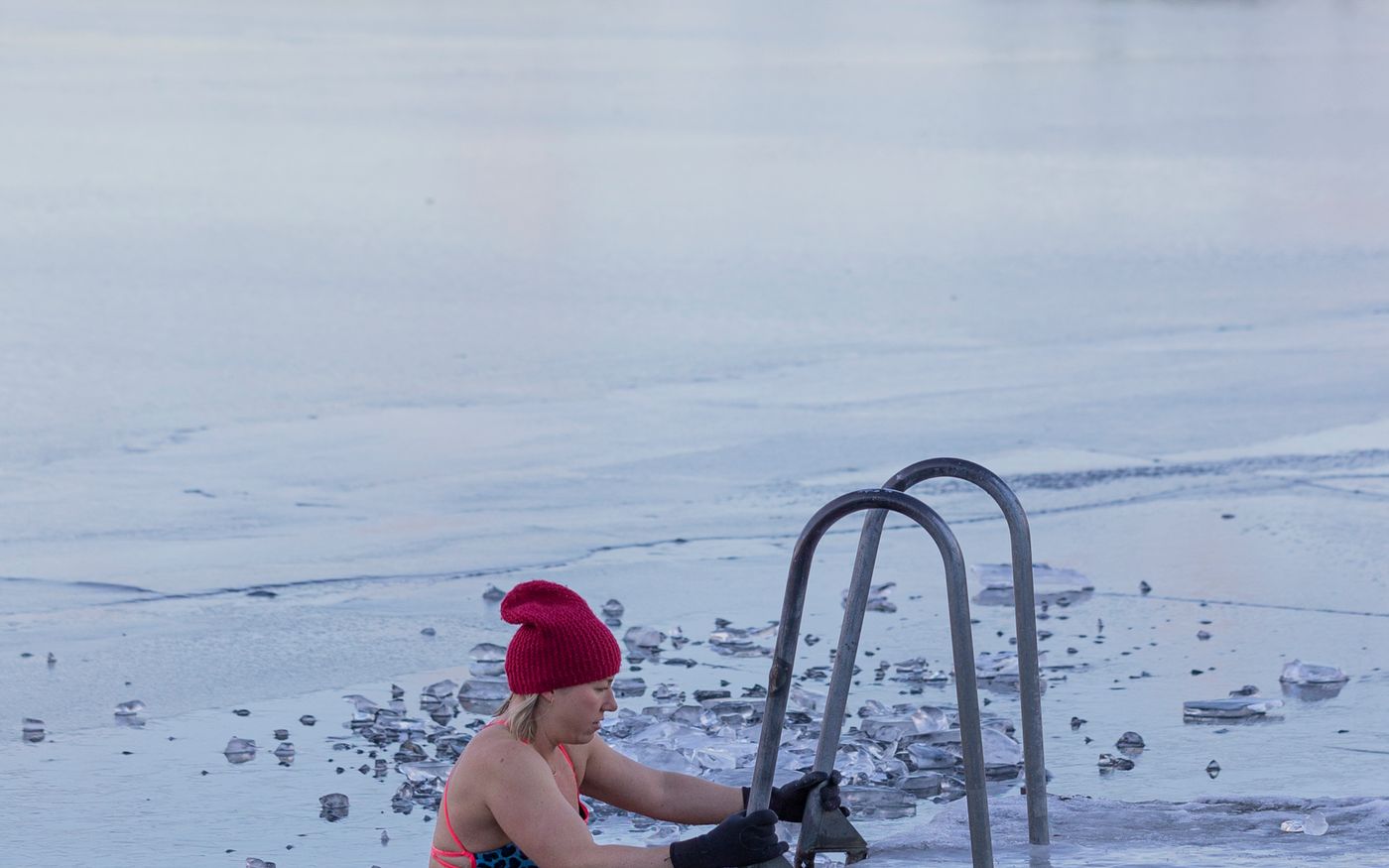
Cold water immersion went from a niche recovery practice to a wellness category with its own hardware market in about eight years. The claim list expanded to match: brown fat activation, metabolic improvement, immune function, depression, inflammation, longevity.
Some of that is supported. Some of it is a real finding stretched past where it can carry weight. And one widely promoted use is actively counterproductive for a large group of the people doing it.
What holds up
It reliably makes you feel better afterwards. Cold water immersion produces large, well-documented increases in circulating noradrenaline and dopamine — several-fold in some protocols. The subjective effect is not imaginary and it is not solely psychological. Whether it does anything durable is a separate question, but the acute mood effect is real and it is the honest reason most regular practitioners keep going.
It reduces perceived muscle soreness. Consistently, across many trials. If your priority is feeling ready to perform again tomorrow — a tournament, a fight camp, consecutive competition days — cold immersion is a reasonable tool with decent support.
Brown adipose tissue does respond to cold. Repeated cold exposure increases brown fat activity and non-shivering thermogenesis in humans. This is genuine and mechanistically interesting.
What does not hold up
Cold plunges after strength training blunt hypertrophy. This is well replicated — Roberts and colleagues in 2015 showed attenuated long-term gains in muscle mass and strength when cold immersion followed resistance training, with reduced satellite cell activity and blunted anabolic signalling in muscle biopsies. Subsequent work has broadly confirmed the pattern.
The mechanism is straightforward, and it is the same mechanism as the soreness benefit: training-induced inflammation is not merely damage, it is the signal that drives adaptation. Suppressing it suppresses the adaptation.
If you lift to build muscle, do not finish your session in an ice bath. This is the single most consequential thing in this article and it is close to the opposite of what the category markets.
Immune claims. The Dutch randomised trial on cold showers found a substantial reduction in self-reported sick days — but no significant difference in self-reported illness episodes, which suggests something closer to a change in behaviour or perception than in infection rates. Interesting, not conclusive.
Longevity claims. There is no human evidence that cold exposure extends lifespan. The hormesis argument is plausible and the extrapolation from model organisms is exactly the sort of extrapolation this site exists to be sceptical about.
What is genuinely unresolved
Depression and mood disorders. Small studies and a large volume of compelling anecdote. The mechanism is plausible. The trials that would settle it have not been run at adequate size. Promising, not established.
Insulin sensitivity. Some encouraging small studies, considerable heterogeneity, no firm conclusion.
If you want to do it anyway
- Timing around training matters. Away from lifting, or at least four to six hours after. Before training, or on rest days, is fine.
- Duration. Most protocols land at 2-5 minutes at 10-15°C. Longer and colder is not obviously better and raises risk.
- The cardiovascular risk is real. Cold shock produces an involuntary gasp reflex and a sharp rise in heart rate and blood pressure. This has killed people with underlying cardiac conditions. If you have any cardiovascular diagnosis, ask a doctor first — this is not a formality.
- Never alone in open water. Cold incapacitation impairs swimming ability within minutes and does so before you feel it happening.
The summary
Cold exposure is a decent acute mood intervention, a legitimate recovery tool for competition schedules, a genuine brown fat stimulus with limited practical consequence, and a bad idea immediately after resistance training. It is not a longevity intervention. Everything beyond that is currently unfalsified enthusiasm.
Not medical advice. Cold water immersion carries genuine cardiac and drowning risk; consult a clinician if you have any cardiovascular condition.