Continuous Glucose Monitors for Non-Diabetics: A Field Report
Ninety days wearing a sensor designed for a disease I do not have. I learned three genuinely useful things and spent about six weeks drawing conclusions from noise.
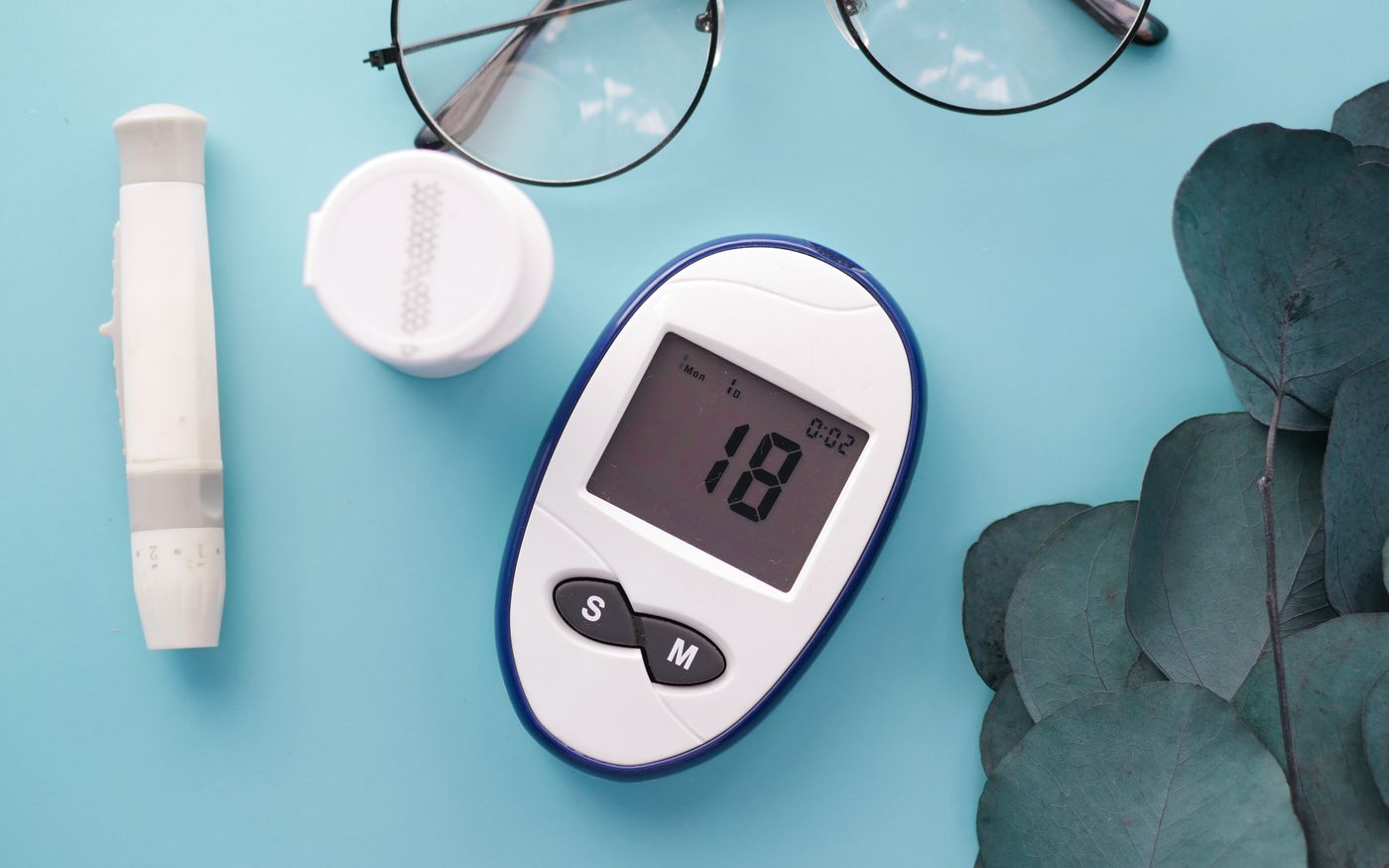
Continuous glucose monitors were built for people with diabetes, where they are transformative and unambiguously worth it. The consumer wellness market has repackaged the same hardware for people with normal glucose regulation, wrapped it in an app, and attached a subscription.
I wore one for ninety days to find out what a metabolically healthy person actually gets from it.
What is genuinely useful
Individual variation in food response is real and larger than I expected. The Weizmann Institute work published in 2015, and Hall and colleagues' "glucotypes" paper in PLOS Biology in 2018, both demonstrated that people respond very differently to identical meals. My own data agreed. White rice barely moved me. Oats — which every nutrition guide treats as the sensible option — produced one of my largest excursions.
You cannot get that from a food database. This is the strongest argument for the device.
Meal composition and order have visible effects. Adding protein, fat or fibre to a carbohydrate meal flattens the curve. Eating vegetables and protein before the starch does too. Both are established in the literature; watching them happen on your own graph is a considerably more effective teacher than reading about them.
Post-meal walking works, and works fast. Ten to fifteen minutes of easy walking after eating visibly blunted my post-meal peaks, every time. This is well supported by trials and it is the most actionable thing I took away.
What is noise
Individual spikes. A healthy person's glucose fluctuates. A reading of 8.5 mmol/L after a meal is not a medical event, and treating it as one is how people end up needlessly afraid of fruit.
Sensor error. Consumer CGMs have a mean absolute relative difference typically around 9-10% against blood reference. Compression lows — dips caused by lying on the sensor — are common and produce alarming overnight graphs that reflect an arm, not a pancreas.
Day-to-day variability of the same meal. I ate identical breakfasts on consecutive days and got curves differing by more than the difference between some foods. Sleep, stress, prior exercise and time of day all shift the response. A single meal test tells you very little.
Where it does harm
I spent several weeks in a genuinely unhelpful place: eating a smaller and smaller set of foods, treating the curve as a score, and feeling anxious about a number with no clinical meaning in someone with a normal HbA1c.
There is a name for that pattern in adjacent contexts and clinicians have begun reporting it with CGMs specifically. If you have any history of disordered eating, I would not wear one of these.
The economics
Consumer CGM programmes typically run somewhere around a hundred pounds or dollars a month, and the sensor is the same commodity hardware sold far more cheaply through pharmacy channels in many countries. What you are paying for is the app layer and the coaching.
Would I recommend one?
A single 14-day sensor: probably yes, if you are curious and metabolically healthy. Two weeks is enough to find your personal outliers, confirm that walking after meals works, and see meal ordering in action.
An ongoing subscription: no, unless you have prediabetes or a specific clinical reason, in which case this is a conversation with a doctor rather than a purchase decision.
The information is front-loaded. After a fortnight you are mostly paying to re-observe things you already know.
Not medical advice. If you are concerned about your glucose regulation, an HbA1c and fasting insulin from your doctor is cheaper and far more interpretable than a consumer sensor.