Sauna Frequency and Mortality: Reading the Finnish Cohort Carefully
The most-cited longevity finding in the wellness world comes from one observational cohort in eastern Finland. It is good data. It is also being asked to prove more than observational data can.
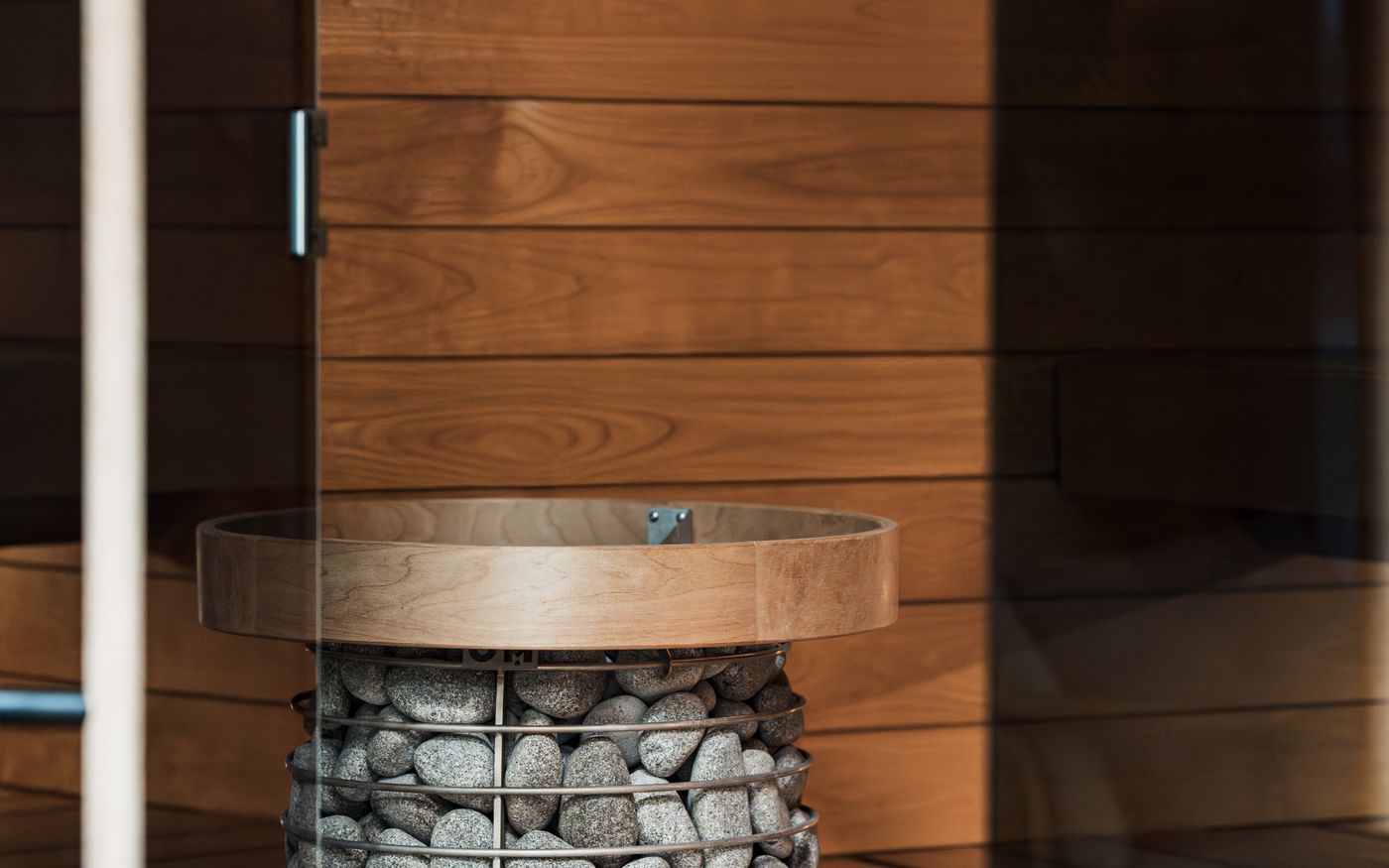
If you have encountered a longevity podcast in the last five years you have encountered this finding: men who used a sauna four to seven times a week had substantially lower all-cause mortality than men who used one once a week.
The study is real, it is well conducted, and the effect size is striking. It is also the single most over-interpreted result in the field, and understanding why is a useful exercise in reading epidemiology.
What the study found
The Kuopio Ischaemic Heart Disease Risk Factor Study (KIHD) followed roughly 2,300 middle-aged Finnish men for a median of around twenty years. Laukkanen and colleagues published the sauna analysis in JAMA Internal Medicine in 2015.
Comparing 4-7 sessions per week against one session per week, the associations were with lower all-cause mortality, lower cardiovascular mortality and lower sudden cardiac death. Longer sessions showed a similar gradient. Later analyses from the same cohort reported associations with reduced dementia incidence.
Consistent dose-response across multiple outcomes with a long follow-up is exactly what you want to see. This is not a weak study.
Why it cannot establish causation
It is observational. Sauna use was not assigned. Men chose their own frequency, and the reasons they chose it are not random.
Reverse causation is difficult to exclude. People who are already ill use saunas less. A man with unstable angina, severe COPD or advanced frailty is not doing seven hot sessions a week. Some portion of the association is almost certainly sickness reducing sauna use rather than sauna use reducing sickness. The authors adjusted for known conditions, which helps with the diagnosed and does nothing for the undiagnosed.
Residual confounding. Frequent sauna users in this cohort differed in income, in social engagement, and plausibly in a hundred unmeasured ways. Statistical adjustment handles the variables you thought to measure.
Cultural specificity. Sauna use in Finland is near-universal and socially embedded. Frequency there means something different from what it would mean in a country where saunas are a paid amenity.
What the mechanistic evidence adds
Passive heat exposure does produce measurable physiological changes: reduced arterial stiffness, lowered blood pressure, improved endothelial function, increases in heat shock protein expression, and a cardiovascular load pattern with genuine similarities to moderate exercise.
Small randomised trials on intermediate outcomes — blood pressure, vascular function — have generally been positive. That is meaningful support. It is support for plausibility, not proof of the mortality claim.
A proportionate conclusion
Sauna bathing is pleasant, has a decent safety record in healthy people, produces real short-term cardiovascular effects, and is associated with better long-term outcomes in a well-conducted cohort with unresolvable confounding.
That is a good reason to use a sauna if you enjoy it. It is a poor reason to buy one on the expectation of a specific mortality reduction, and a very poor reason to treat sauna sessions as substituting for the interventions — exercise, blood pressure control, not smoking — whose causal evidence comes from randomised trials.
Cautions worth stating: heat stress plus alcohol is a genuinely dangerous combination and features in a meaningful share of sauna deaths in Finland. Pregnancy, unstable cardiovascular disease and some medications warrant medical advice first.
Not medical advice.