Why Your Sleep Score Is Not a Diagnosis
Wearables are good at some sleep questions and poor at others. Knowing which is which turns a source of anxiety back into a useful instrument.
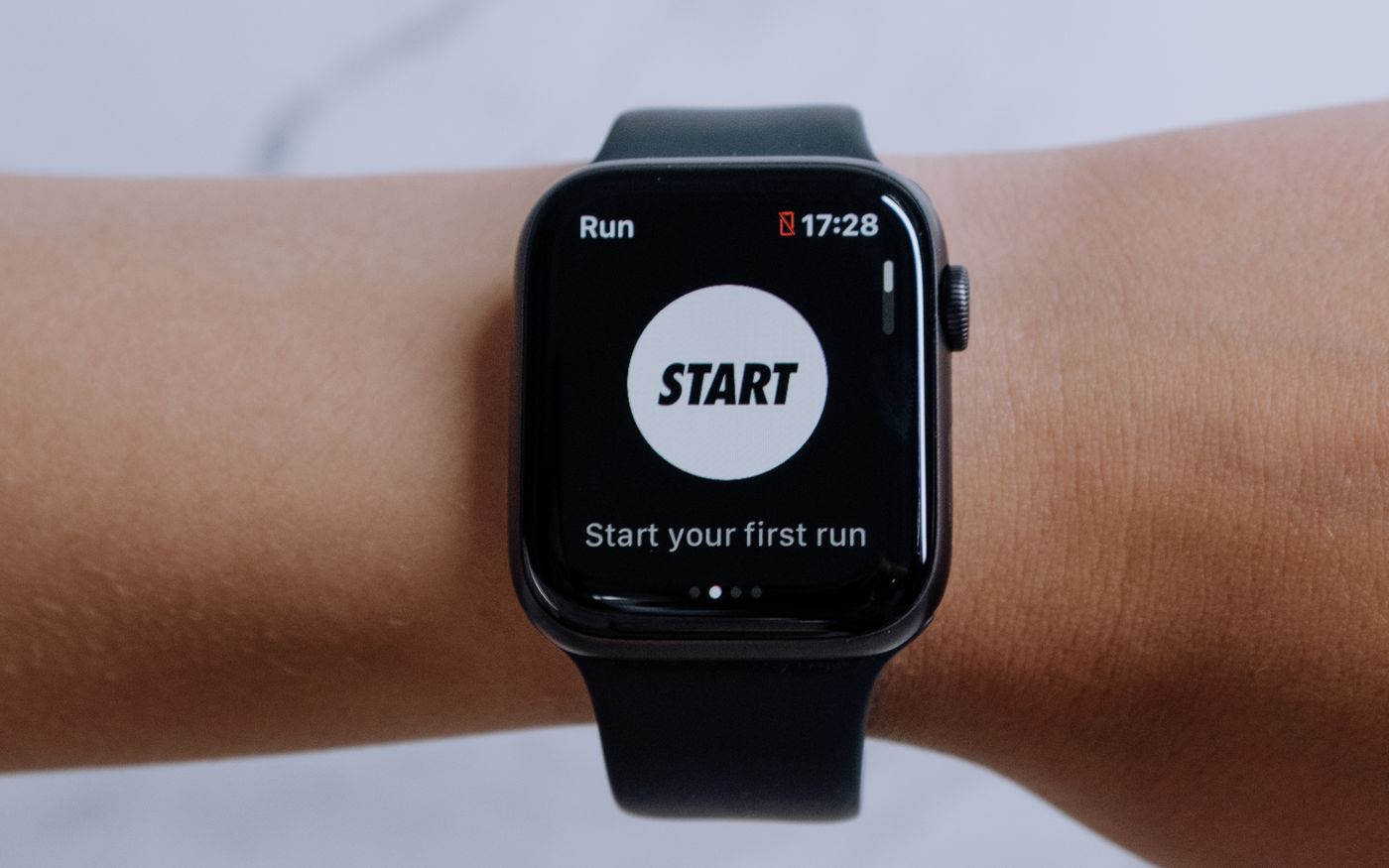
A sleep tracker gives you a number out of 100 every morning. That number feels like a measurement. It is a model output, and understanding what goes into it changes how much weight it deserves.
What the device actually senses
A wrist wearable has, at most, an accelerometer, an optical heart rate sensor, and sometimes skin temperature and blood oxygen. It does not measure brain activity, which is what sleep staging is defined by. Everything labelled "deep sleep" or "REM" on your dashboard is inferred from movement and cardiac patterns through a proprietary model.
The clinical reference standard, polysomnography, records EEG, EOG and EMG and is scored by a trained technician. When wearables are validated against it, a consistent pattern emerges.
Good at, bad at
Reliable:
- Total sleep time, usually within a modest error margin
- Sleep versus wake, once you are actually asleep
- Resting and overnight heart rate
- Heart rate variability trends
- Night-to-night changes in all of the above
Unreliable:
- Absolute stage durations, particularly the deep/REM split
- Detecting wakefulness in someone lying very still — the classic failure mode, where an insomniac reading a book without moving gets scored as asleep
- Anything approaching a clinical assessment of sleep-disordered breathing
Orthosomnia
There is now a small clinical literature on patients presenting with sleep complaints driven by their tracker data rather than by their experience — sleeping adequately, feeling fine, and distressed because the app awarded them 68. Researchers named it orthosomnia, by analogy with orthorexia.
The mechanism is not mysterious. Anxiety about sleep is one of the better-established causes of poor sleep, and a device that hands you a graded verdict each morning is an efficient way to generate it.
How to use one without this happening
- Look at weekly averages. Set the app to open on the trend view if it lets you, and if it does not, look at the number less often.
- Pick two metrics and ignore the composite score. Total sleep time and resting heart rate carry most of the actionable information, and both are things the hardware genuinely measures.
- Treat stage percentages as texture, not as data. Interesting to glance at. Not worth a decision.
- Trust your body over the app. If you feel rested and the score is poor, you slept fine. The disagreement is the model's problem.
- Take the tracker off for a week occasionally. If your sleep improves, you have learned something about the tracker.
A wearable is a decent instrument being asked a question slightly harder than it can answer. Point it at the questions it can answer and it earns its place.
Not medical advice. Suspected sleep apnoea warrants a proper sleep study, not a wrist device.