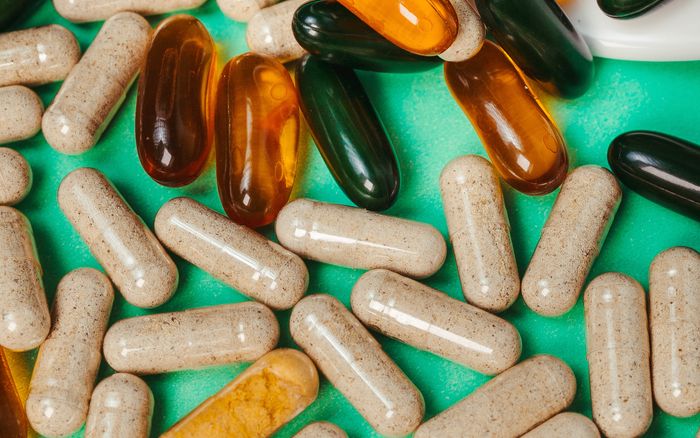
Creatine Is Not Just for Lifters. The Cognitive Data, Assessed
The best-evidenced sports supplement of the last thirty years has a second literature attached to it. It is smaller, messier, and more interesting than either its promoters or its critics admit.
Creatine monohydrate has an unusual position: it is cheap, it is one of the most thoroughly studied ergogenic aids in existence, and its safety record in healthy adults is about as good as a supplement's gets. The strength and power findings are not in serious dispute.
The cognitive literature is a different animal. It is worth reading carefully, because both the enthusiasm and the dismissal tend to overshoot.
The mechanism
The brain is metabolically expensive and runs on ATP. The phosphocreatine system buffers ATP availability during periods of high demand — the same role it plays in muscle, on a different substrate. Brain creatine can be raised by supplementation, though the increase is smaller and slower than in muscle, likely because of transport across the blood-brain barrier.
If phosphocreatine buffering is a limiting factor under metabolic stress, supplementation should help most when the brain is stressed. That is broadly what the data show.
Where effects appear
Sleep deprivation. Several small trials have found that creatine attenuates the cognitive decline seen under sleep restriction. This is the most consistent signal in the literature and it fits the mechanism neatly.
Vegetarians and vegans. Dietary creatine comes almost exclusively from meat and fish. People who eat neither start with lower stores and, in several trials, show larger cognitive responses to supplementation than omnivores — particularly on working memory and processing speed tasks.
Older adults. Some evidence of benefit on memory measures, though heterogeneous and with the usual small-sample caveats.
Healthy, well-fed, well-rested young adults. Meta-analyses find small effects at best on most measures, and several individual trials find none.
Practical points
- Monohydrate. The exotic forms are more expensive and have not demonstrated superiority. This has been tested repeatedly.
- 3-5g daily. Loading protocols saturate stores faster but are not necessary; daily dosing gets there in roughly three to four weeks.
- Brain saturation appears slower than muscle, and some researchers have argued higher doses may be needed for central effects. This is an open question rather than a settled one.
- The hair loss claim traces to a single 2009 study in rugby players reporting increased DHT. It has not been replicated, and no trial has demonstrated increased hair loss. Treat it as unresolved rather than as established either way.
- Kidney concerns are not supported in healthy individuals across a long safety literature. Creatine does raise serum creatinine — a marker used to estimate kidney function — which can produce an alarming but spurious lab result. Tell your doctor you take it before they interpret the panel.
A reasonable conclusion
Creatine is a good supplement with a strong safety profile and well-established physical benefits. The cognitive case is real but conditional: strongest if you do not eat meat, sleep badly, or are older. If you are a well-rested omnivore taking it for the brain effects, the expected value is low — though you are presumably getting the muscular benefits regardless, which is not a bad consolation.
Dr. Raghunathan writes in a personal capacity. Not medical advice; discuss supplementation with your clinician, particularly with existing renal conditions.